











-Promo-graphics-(2).png?width=1280)
-Promo-graphics-(1).png?width=800)
Many homeowners who install solar panels, an EV charger or a heat pump expect their energy bills to fall. But in reality, that’s often not what happens.

Instead, energy use becomes harder to understand. A home may be generating its own electricity but still buying from the grid at the wrong times. High-consumption devices can switch on together, creating peaks. And with changing tariffs, it is not always clear when savings are actually being made.
This is something we are seeing more and more across Europe. Homes are becoming more electrified – but not necessarily more efficient.
The case for energy management
The challenge isn’t usually the technology itself. Many homes already have solar panels, EV chargers or heat pumps installed. The issue is that these systems don’t naturally work together.
An EV may start charging at the same time a heat pump turns on. Solar energy is often produced during the day, while most consumption happens in the evening. And with dynamic tariffs, the most cost-effective time to use energy is constantly shifting.
Without something managing this in the background, homeowners don’t get the full value from what they’ve installed.
That’s where a solution like ABB Smart EMS comes in – helping ensure energy is used at the right time, increasing self-consumption and reducing reliance on the grid when prices are high.
Why this matters more now
Across Europe, energy systems are changing.
In Germany, new rules already require certain devices – like EV chargers or heat pumps – to reduce demand at peak times. In the Netherlands, changes to net metering mean households need to use more of their own solar energy instead of sending it back to the grid.
What this means in practice is simple: Homes need to be smarter about when they use energy, not just how much. This is something installers are increasingly seeing in the field.
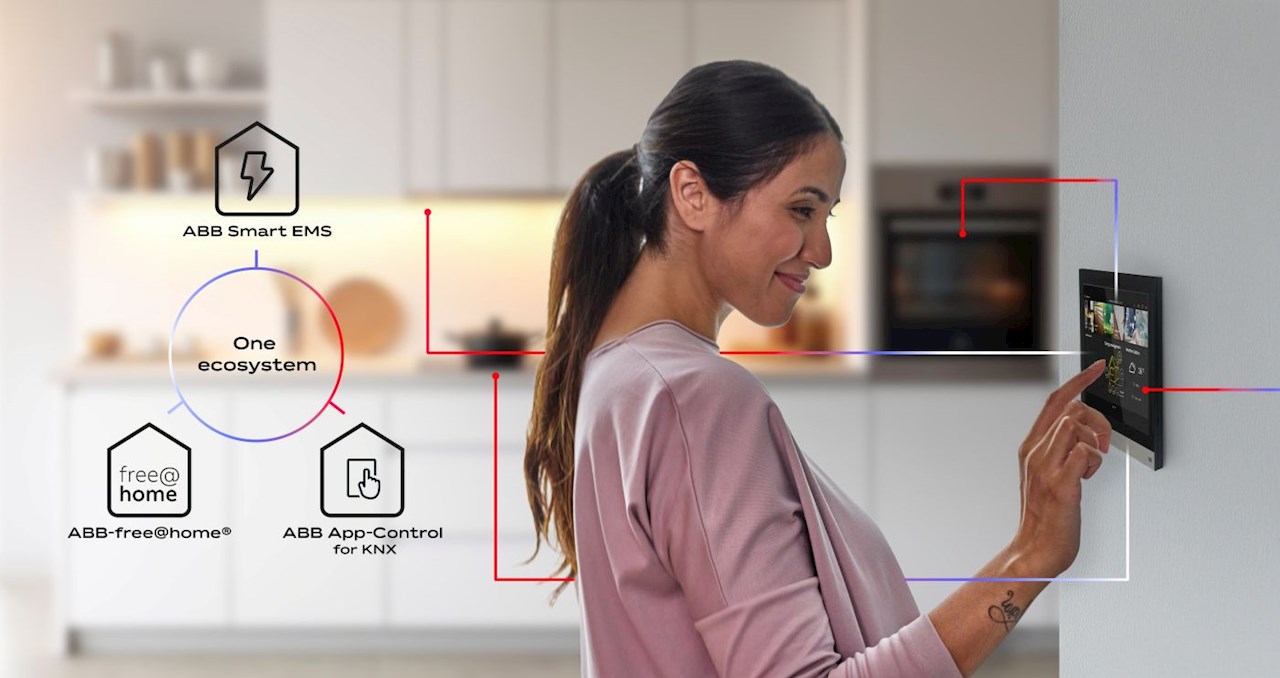
What a system like Smart EMS actually does
Instead of homeowners trying to manage everything manually, the system handles it in the background.
It:
Runs major energy users at the cheapest or most efficient times
Uses more of the home’s own solar energy instead of exporting it
Avoids multiple devices switching on at once and creating peaks
Homeowners stay in control – but don’t need to constantly adjust settings or think about tariffs.
What this looks like in real life
In practice, this is where the difference becomes clear:
Solar + EV: The system ensures the car charges when solar energy is available, or when electricity prices are lower
Solar + heat pump: Energy produced during the day is used to heat water or the home, reducing reliance on grid energy later
Busy households: Devices are managed so they don’t all run at once, helping avoid spikes and improving overall efficiency
These are the kinds of outcomes homeowners notice quickly – both in comfort and in cost.
Designed for real homes, not just new builds
Most homes evolve over time. Homeowners might install solar first, then add an EV charger or a heat pump later.
These systems are often added step by step, not planned as one integrated solution from the start.
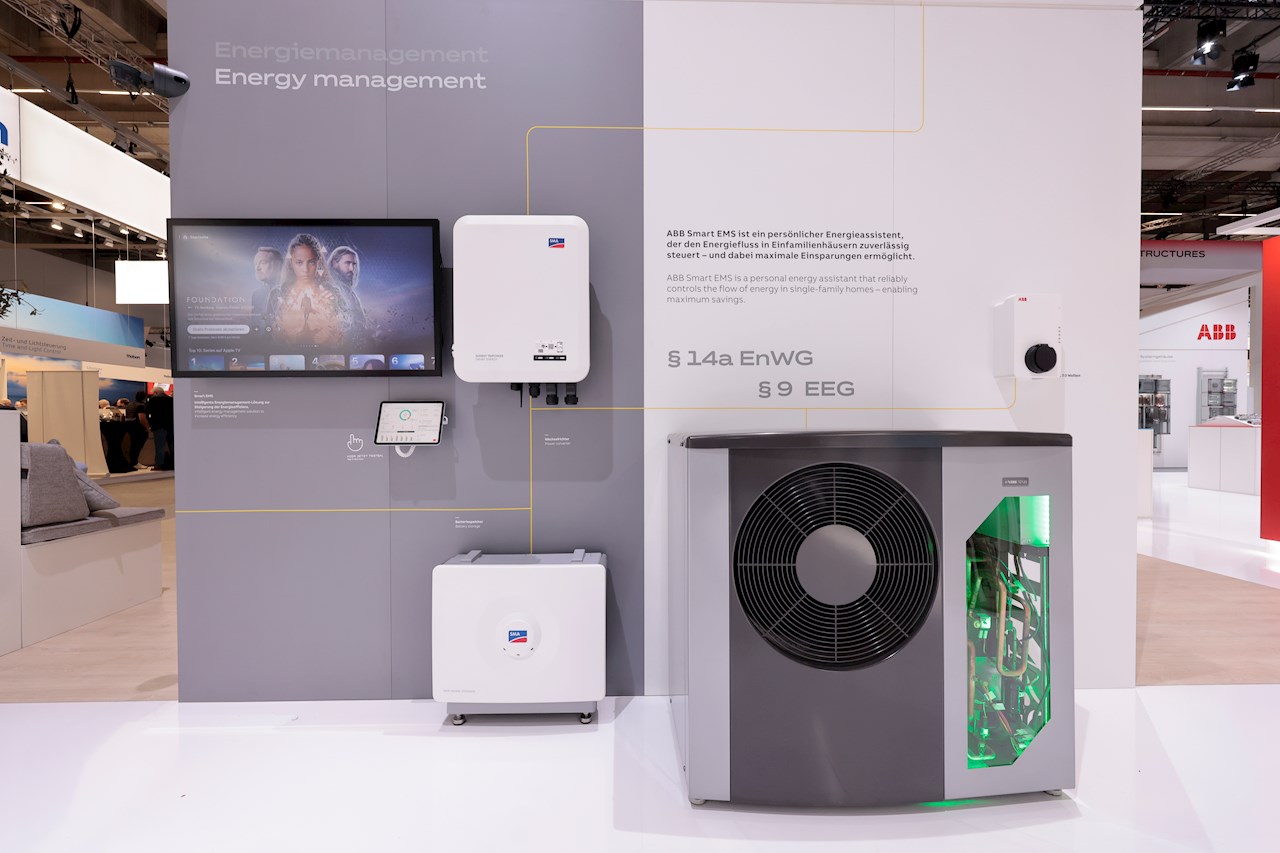
Smart EMS connects these elements and helps them work together, without requiring major changes to the home. It also supports a wide range of third-party devices, giving installers flexibility and avoiding lock-in.
Why installation still matters
While the system runs automatically day to day, setup is critical to getting the full benefit. This is where installers play a key role.
Correct configuration ensures:
systems are connected properly
load limits are respected
tariffs and priorities are set in a way that delivers real savings
For homes with multiple technologies – solar, EV charging, heat pumps – this step is essential to make everything work together reliably
The result: clarity and control
For most homeowners, the biggest change is understanding what’s happening behind the scenes.
Smart EMS allows them to see where their energy is coming from, how much of it they are using themselves and when they are relying on the grid.
And importantly, they know it’s being managed in the right way, without needing to constantly monitor or adjust it.
Homes are becoming more complex, with more devices, more variables, and more pressure to use energy efficiently.
But managing that complexity doesn’t have to fall on the homeowner.
With the right system in place – and the right setup from the start – energy simply works the way it should: in the background, aligned with how the home is used, and delivering real, visible benefits over time.
See more from Voltimum on Google
Add Voltimum as a preferred source and Google will show our articles more often in your news results.